
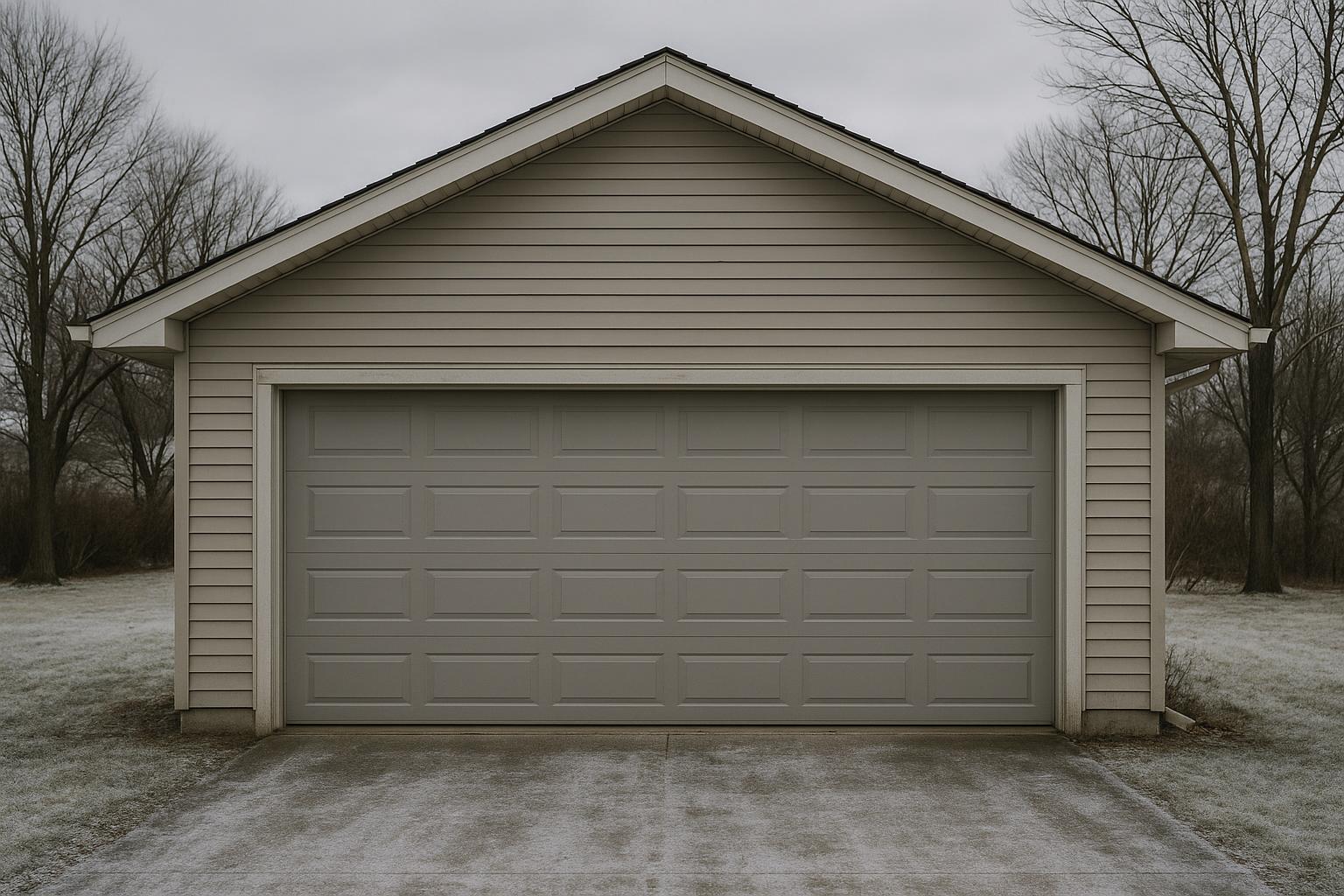
Winter Weather and Your Garage Door: A Common Waldorf Problem
When temperatures drop across Charles County, your garage door faces challenges that most homeowners don't think about until something goes wrong. You press the button on a freezing morning, and nothing happens — or the door opens halfway and stops. Maybe it makes a grinding sound that wasn't there yesterday. Whatever the symptom, a garage door that won't cooperate in winter is more than an inconvenience. It can throw off your entire morning routine and leave your car — and your home — exposed to the elements.
If you've ever dealt with a stubborn garage door on a cold Waldorf morning, you're not alone. Here's what causes winter garage door problems and what you can do about them.
Why Cold Weather Affects Your Garage Door
Your garage door is a complex mechanical system with metal parts, lubricants, weatherstripping, and electronic components. Every one of these can be affected by cold temperatures. Understanding the root cause of your winter garage door issue is the first step toward solving it.
1. The Door Is Frozen to the Ground
This is one of the most common winter garage door problems. When moisture collects along the bottom seal of your garage door and temperatures drop below freezing overnight, the door can literally freeze to the garage floor. When you try to open it, the opener strains against the ice, and the door either won't budge or the weatherstripping tears away.
What to do: Never force the door open repeatedly — this can damage the opener, the door panels, or the bottom seal. Instead, try these steps:
- Use a heat gun or hair dryer along the bottom edge of the door to gently melt the ice.
- Pour warm (not boiling) water along the seal to break the bond.
- Once free, dry the area thoroughly and apply a silicone-based lubricant to the bottom seal to prevent refreezing.
2. Metal Parts Contract in the Cold
Metal contracts when it gets cold. The tracks, springs, hinges, and rollers on your garage door are all metal, and even slight contraction can cause misalignment, binding, or increased friction. This is especially noticeable on older garage doors where parts have already experienced years of wear.
What to do: Inspect the tracks for any visible gaps or misalignment. If the door seems to stick or jerk as it moves, the rollers may be binding in contracted tracks. A professional adjustment can restore smooth operation without risking further damage.
3. Lubricant Thickens or Hardens
Standard grease and lubricants can thicken significantly in cold weather, making it harder for moving parts to operate smoothly. This often results in a sluggish door, unusual noises, or a door that stops partway through its cycle.
What to do: Switch to a lithium-based or silicone-based garage door lubricant, which performs better in low temperatures. Apply it to the springs, hinges, rollers, and tracks. Avoid using WD-40 as a long-term lubricant — it works as a solvent but doesn't provide lasting lubrication.
4. Weatherstripping Becomes Brittle
The rubber weatherstripping around your garage door is designed to keep out drafts, moisture, and pests. Over time, cold weather causes this material to harden, crack, and lose its flexibility. Damaged weatherstripping not only lets cold air into your garage but can also contribute to the freezing problem mentioned above.
What to do: Inspect the weatherstripping along the bottom, sides, and top of your garage door. If it's cracked, stiff, or pulling away from the door, it's time for a replacement. New weatherstripping is relatively affordable and makes a noticeable difference in keeping your garage warmer and your door functioning properly.
5. The Opener Struggles in Extreme Cold
Garage door openers are electronic devices, and extreme cold can affect their performance. Batteries in remote controls and keypads lose power faster in freezing temperatures. The opener motor itself may also struggle if it's working against increased resistance from contracted parts or thickened lubricant.
What to do: Replace the batteries in your remotes and keypad at the start of winter as a precaution. If the opener motor seems to be straining, address the mechanical issues first — lubrication, track alignment, and weatherstripping — before assuming the opener itself needs repair.
Preventive Steps to Winter-Proof Your Garage Door
The best time to prepare your garage door for winter is before the first freeze. Here's a simple checklist that Waldorf homeowners can follow each fall:
- Lubricate all moving parts with a cold-weather-rated lubricant.
- Inspect and replace worn weatherstripping before it has a chance to crack further.
- Test the door balance by disconnecting the opener and lifting the door manually. It should stay in place when opened halfway. If it doesn't, the springs may need adjustment.
- Clear debris from the tracks and wipe them down to ensure smooth operation.
- Check the bottom seal for damage and apply silicone spray to prevent freezing.
- Replace remote and keypad batteries so they don't die on the coldest morning of the year.
When to Call a Professional
Some winter garage door issues are easy to handle on your own, but others require professional attention. You should call a garage door technician if:
- The door is visibly off-track or sagging on one side.
- A spring appears stretched, damaged, or broken — never attempt to repair or replace garage door springs yourself, as they are under extreme tension.
- The opener motor runs but the door doesn't move, which could indicate a stripped gear or broken cable.
- You've tried basic troubleshooting and the door still won't open or close reliably.
At Waldorf Garage & Gate, we see a spike in service calls every winter from homeowners across Waldorf, La Plata, White Plains, and the surrounding areas dealing with exactly these issues. Most of the time, a quick inspection and tune-up is all it takes to get everything working smoothly again.
Don't Wait for the First Freeze
A garage door that fails in winter isn't just frustrating — it can compromise your home's security and leave your vehicle exposed to harsh weather. Taking a few preventive steps in the fall, and knowing what to do when problems arise, can save you time, money, and stress throughout the season.
If your garage door is already giving you trouble this winter, or if you want to schedule a preventive maintenance visit before cold weather sets in, contact Waldorf Garage & Gate today. We're here to keep your garage door running reliably, no matter what the weather brings.