
That Grinding, Squealing, or Banging Noise Isn't Normal
If your garage door has started sounding like a freight train every time you open or close it, you're not alone. It's one of the most common complaints we hear from homeowners in Waldorf and throughout Charles County. And while it might be tempting to just crank up the TV and ignore it, a loud garage door is often your first warning sign that something needs attention.
The good news? Most causes of a noisy garage door are fixable — and catching them early can save you from a much more expensive repair down the road. Let's walk through the most common culprits and what you can do about each one.
1. Worn or Dry Rollers
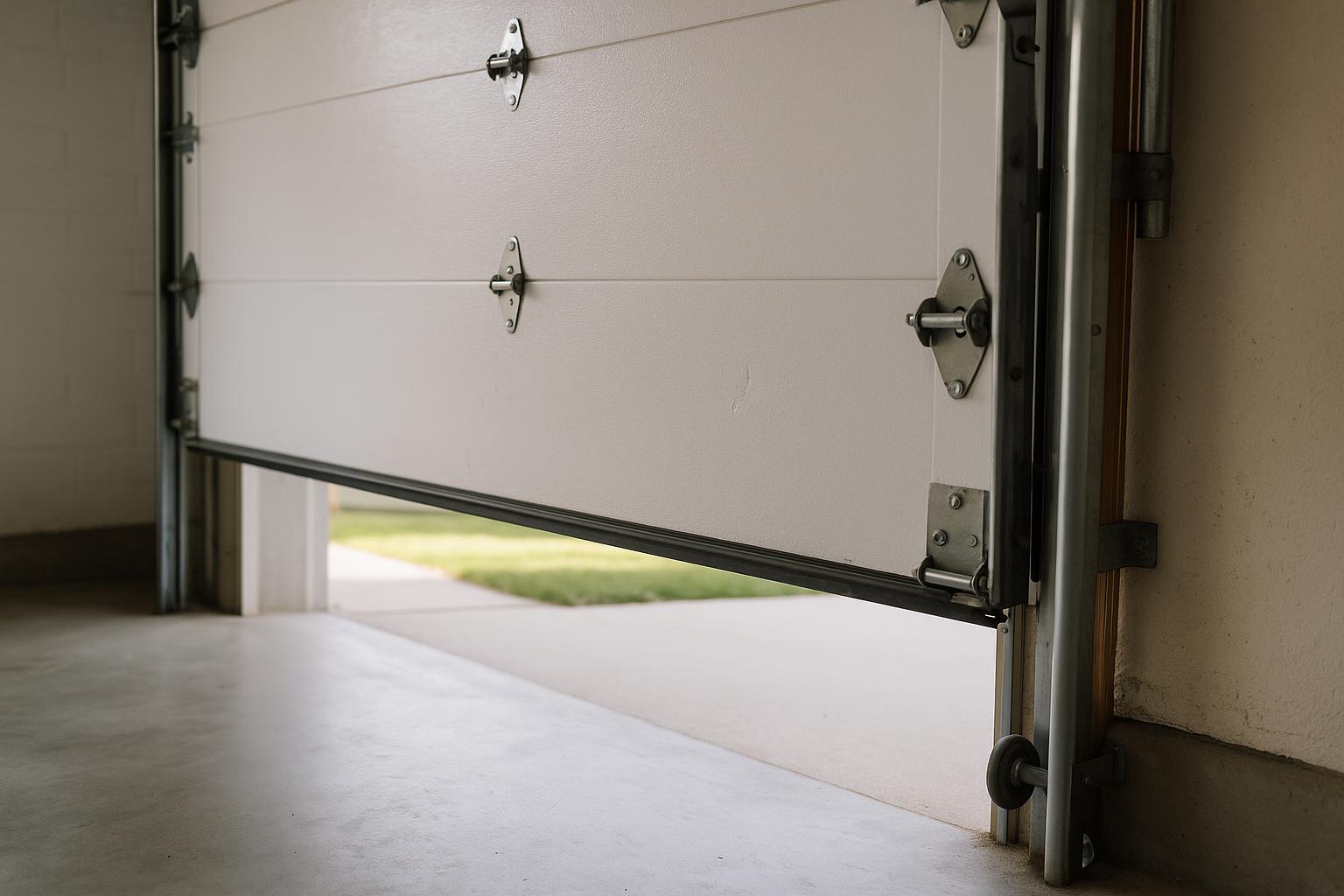
Garage door rollers guide the door along the tracks as it opens and closes. Over time, these small but critical components wear down, and when they do, they create a grinding or squealing noise that echoes through your garage and into the rest of your home.
Metal rollers are the loudest offenders. If your door still has the original steel rollers that came with it, they may have lost their lubrication or developed flat spots. Nylon rollers, on the other hand, operate much more quietly and don't require as much maintenance.
What you can do: Apply a silicone-based garage door lubricant to the rollers. If they're visibly cracked, chipped, or wobbling in the track, it's time to have them replaced. Our team at Waldorf Garage & Gate can swap out worn rollers quickly, often during a single service visit.
2. Loose Hardware
Your garage door moves up and down hundreds of times a year. All that vibration gradually loosens nuts, bolts, and brackets throughout the system. When hardware gets loose, you'll hear rattling, shaking, or banging — especially when the door changes direction.
What you can do: Grab a socket wrench and carefully tighten any bolts or nuts you can see along the track brackets, hinges, and the rail of the opener. Be careful not to overtighten, which can strip threads or warp the track. If you're unsure what's safe to adjust, a professional inspection can identify and fix every loose connection.
3. Unlubricated Hinges and Springs
Hinges connect the panels of your garage door and flex every time the door moves. Springs bear the full weight of the door and are under constant tension. When either component runs dry, you'll hear creaking, popping, or a loud twanging sound.
What you can do: Lubricate all hinges, springs, and the bearing plates at the top of the door with a garage door-specific lubricant. Avoid using WD-40 for this job — it's a solvent, not a long-term lubricant, and it can actually attract dust and grime that makes the problem worse over time.
Important safety note: Never attempt to adjust, remove, or replace garage door springs on your own. These components are under extreme tension and can cause serious injury. Spring work should always be handled by a trained technician.
4. Misaligned or Damaged Tracks
The metal tracks on either side of your garage door need to be properly aligned for smooth, quiet operation. If a track gets bumped, bent, or shifts out of alignment, the door can scrape, grind, or bind as it moves — creating noise and putting extra stress on the opener.
What you can do: Visually inspect both tracks for gaps between the rollers and the rail, dents, or bends. You can gently tap minor bends back into place with a rubber mallet, but significant misalignment or damage calls for professional repair. Forcing a door to operate on damaged tracks can lead to the door coming off the track entirely — a much bigger and more dangerous problem.
5. An Aging or Struggling Opener
If the noise seems to be coming from the ceiling-mounted unit rather than the door itself, your garage door opener may be the issue. Chain-drive openers are the most common type and also the loudest. Over the years, the chain can stretch, loosen, and slap against the rail, creating a repetitive clanking sound.
In some cases, the opener's motor is straining because the door is out of balance, the springs are weakening, or the force settings need adjustment.
What you can do: Tighten the chain according to your opener's manual. If you're looking for a long-term noise reduction solution, consider upgrading to a belt-drive opener, which operates significantly more quietly. This is an especially popular upgrade for homeowners in Waldorf whose garages are directly below bedrooms or living spaces.
6. Worn Weatherstripping
This one surprises a lot of people. The rubber weatherstripping along the bottom of your garage door and around the frame can harden, crack, or come loose over time. When it does, you may hear a slapping or flapping noise during operation, and you'll also lose insulation and let in moisture, pests, and debris.
What you can do: Inspect the bottom seal and side weatherstripping. If it's brittle, torn, or pulling away from the door, replacing it is a quick and affordable fix that reduces noise and improves energy efficiency.
When Should You Call a Professional?
Some noise issues are simple DIY fixes — a little lubricant, a tightened bolt. But others point to more serious mechanical problems that require professional tools and expertise. You should call a garage door technician if:
- The noise started suddenly or has gotten dramatically worse
- You hear a loud bang or snap, which could indicate a broken spring
- The door shakes, jerks, or moves unevenly
- The door won't fully open or close
- You see visible damage to springs, cables, or tracks
Ignoring these warning signs can lead to a complete door failure — or worse, a safety hazard for your family.
Preventive Maintenance Keeps Things Quiet
The best way to avoid a noisy garage door is to stay ahead of wear and tear. We recommend scheduling a professional maintenance visit at least once a year. During a preventive maintenance appointment, our technicians at Waldorf Garage & Gate will lubricate all moving parts, tighten hardware, inspect springs and cables, test the balance and safety features, and identify small issues before they become big problems.
Many of our customers in La Plata, White Plains, Brandywine, and across the Charles County area schedule their annual tune-up in the spring or fall, but any time of year works. A well-maintained garage door runs quieter, lasts longer, and keeps your home more secure.
Get Your Quiet Garage Door Back
A noisy garage door doesn't have to be something you just live with. Whether you need a simple lubrication service, a roller replacement, or a full opener upgrade, Waldorf Garage & Gate is here to help. We serve homeowners throughout Waldorf and the surrounding communities with honest, reliable garage door service.
Give us a call or reach out online to schedule an inspection. We'll diagnose the noise, explain your options, and get your garage door running smoothly and quietly again.